Healing Lake Winnipeg:
Sustainably and Profitably
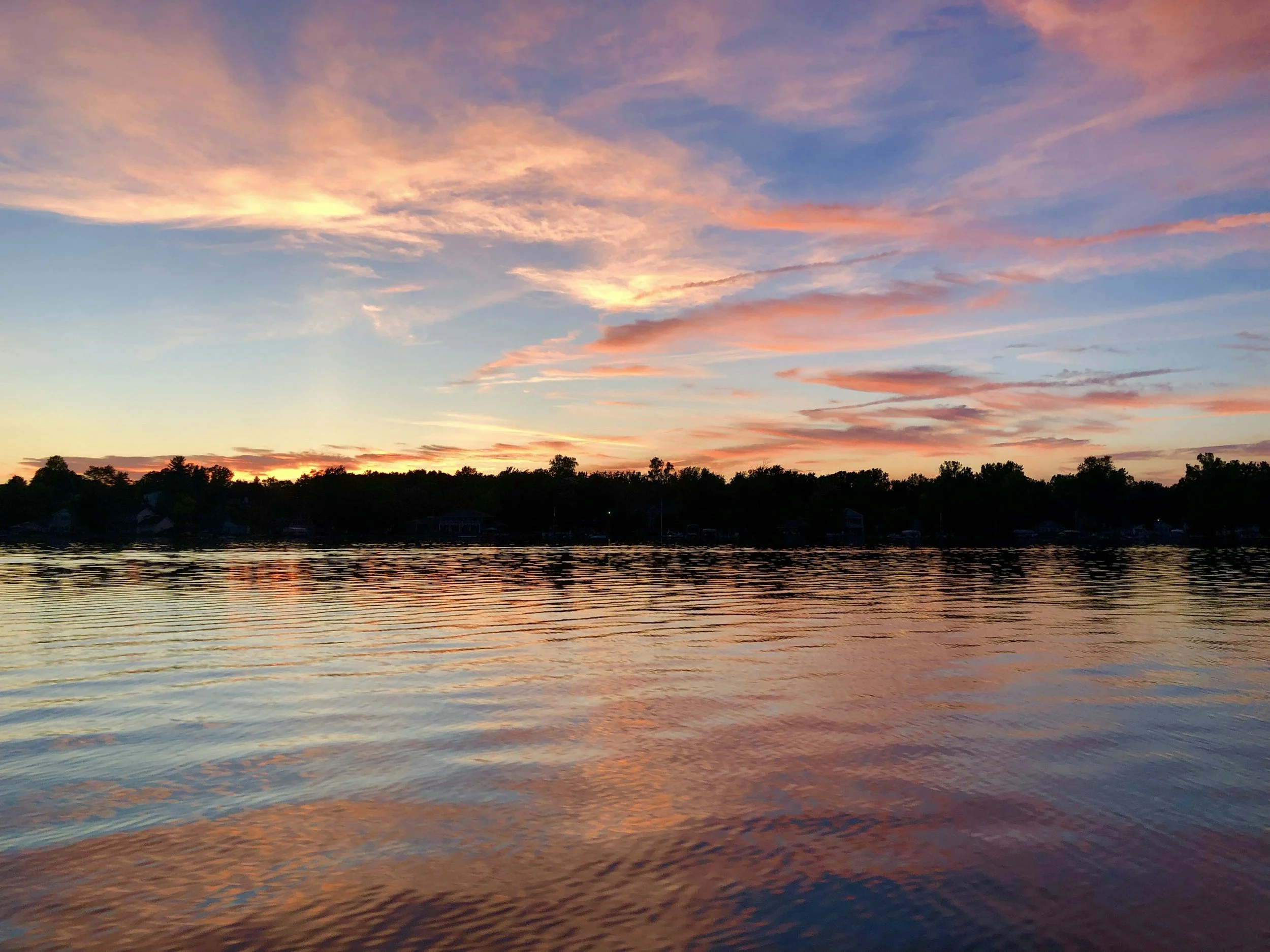
The purpose of this initiative is to care for our land and its water.
Land, which we acknowledge is the traditional territory of Anishinaabeg, Inninewak, Anishinewak, Dakota Oyate and Denesuline, and the homeland of the Red River Métis.
Water, which we acknowledge for Winnipeg comes from Shoal Lake in Treaty 3 territory, and for the rest of Manitoba (drinking and crop irrigation) comes from the Saskatchewan, Red, Assiniboine and Winnipeg rivers. Lakes Winnipeg, Manitoba and Winnipegosis receive the combined flow of these drainage basins and in turn drain into Hudson Bay via the Nelson River. These river systems together with the Churchill, Hayes and other rivers flow through the First Nations of all five Treaties in Manitoba.
To address the massive issue of pollution in Lake Winnipeg requires a new approach using nature’s own solutions - sustained in the long term by generating its own revenues. The success of Healing Lake Winnipeg will take collaboration of all key Manitoba stakeholders including Indigenous leadership, governments, businesses, farmers, processors, distributors, retailers, and yes, consumers to succeed.
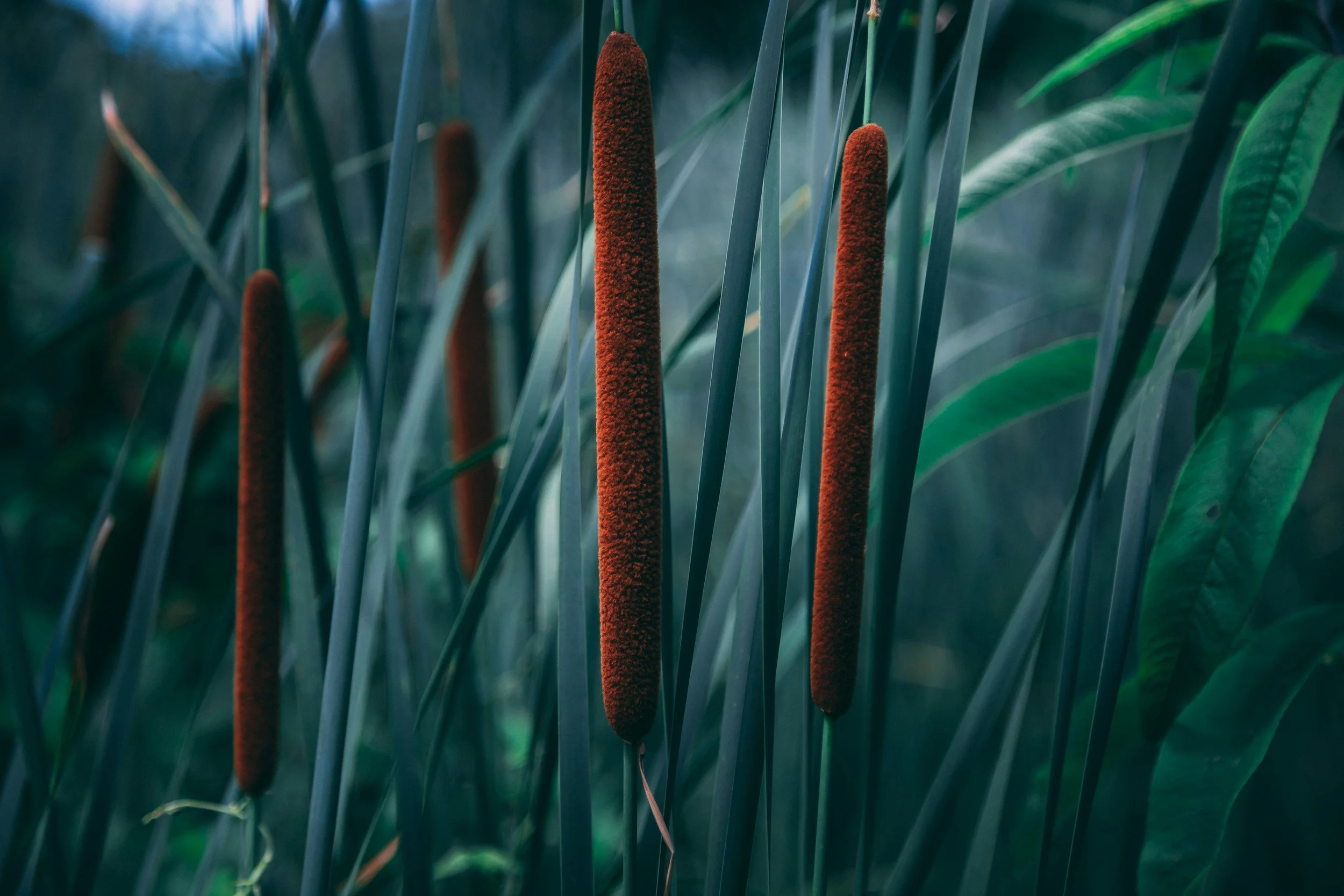
In short, the Healing Lake Winnipeg initiative is able to improve the health of Lake Winnipeg by utilizing a natural infrastructure Typha (cattail) non-point source mega-filter capable of extracting phosphorus, which when harvested, the typha biomass is capable of creating new products, jobs and markets worth over $1 billion to Manitoba's economy.
Supported By: