
Net Zero
Net Zero
The Healing Lake Winnipeg initiative is a Province-Building opportunity, and is unique in its ability to encompass all four of Manitoba’s Net Zero priorities:
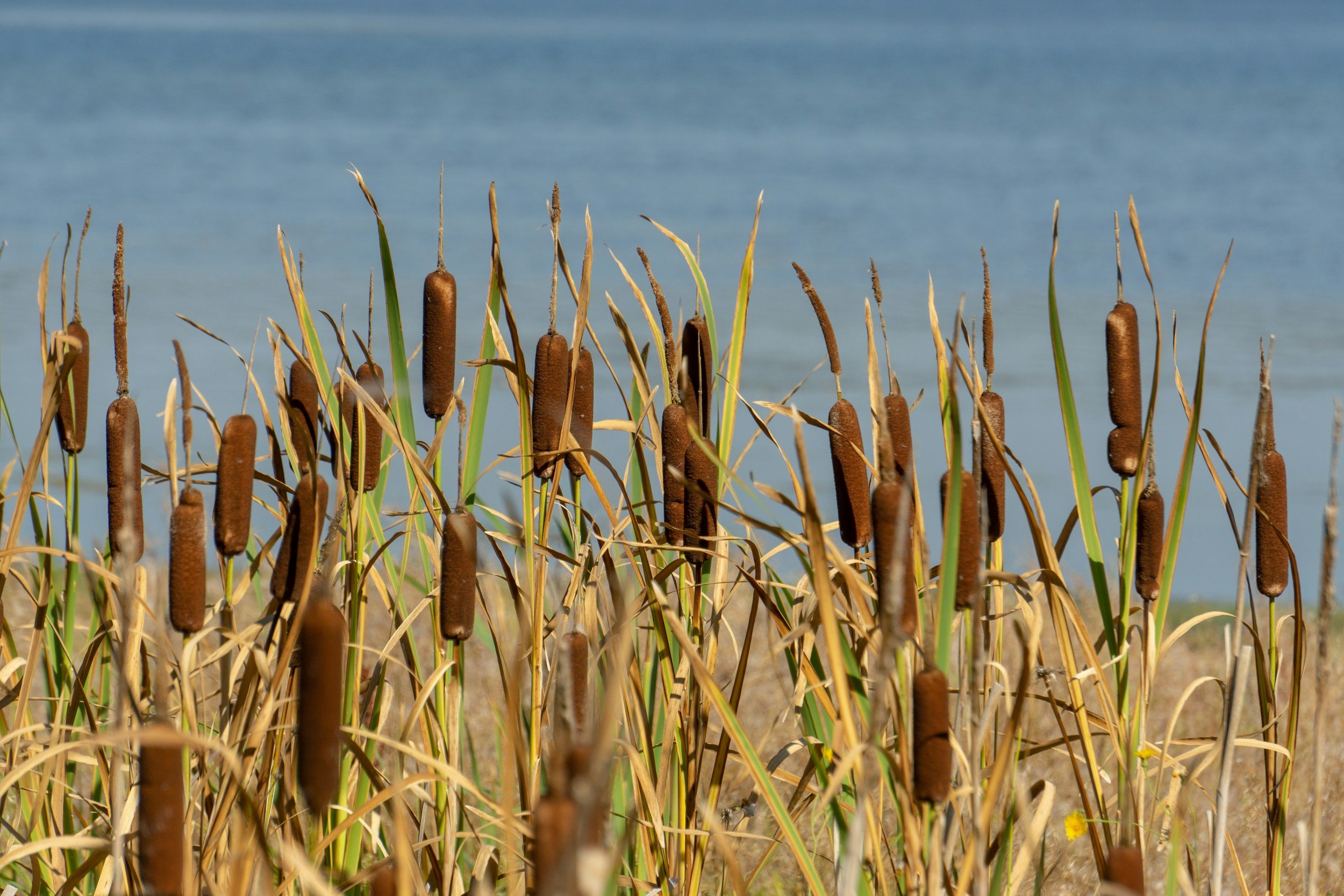
Renewable Energy: Typha (cattail) biomass can be made into fuel pellets for use in thermal energy plants, as well as biochar which while usable as a fuel, is best suited for...
Critical Minerals: The ash leftover after burning Typha for its bioenergy is high in the critical mineral phosphorous, valuable for application to agricultural fields
Economic Development: Typha can be used as a raw material to enable the production of various high value products with significant markets including biodegradable packaging, textiles, and horticultural growing media (see Products Page for more)
Water Management:
The Problem: Water Pollution and Toxic Algae Blooms
When it rains or snow melts, excess fertilizer from farm fields washes into our waterways. This nutrient-rich runoff flows downstream, feeding toxic algae blooms in our lakes. These blooms make water unsafe for swimming, harm fish, and damage local economies.
The Typha Solution: A Natural Water Filter
Typha thrives in wetlands, which act as nature’s water filters. As water passes through, the Typha plants naturally absorb these excess fertilizer nutrients.
However, when the plant dies and decays, most of those captured nutrients are released back into the water. This is where harvesting makes all the difference. By harvesting Typha, we permanently remove these excess nutrients from the water cycle, preventing algal blooms downstream.
By creating valuable products from Typha, we incentivize this remediation process.
